Modern Secondary Glazing Solutions
Modern Secondary Glazing Solutions for Historic Buildings
Secondary glazing represents an elegant solution for enhancing the energy efficiency and comfort of historic buildings while preserving their architectural integrity.
For centuries, historic buildings have stood as testaments to our architectural heritage. However, their traditional windows often fall short of modern thermal and acoustic expectations. Modern secondary glazing provides a sympathetic solution that respects the building's character while improving its performance.
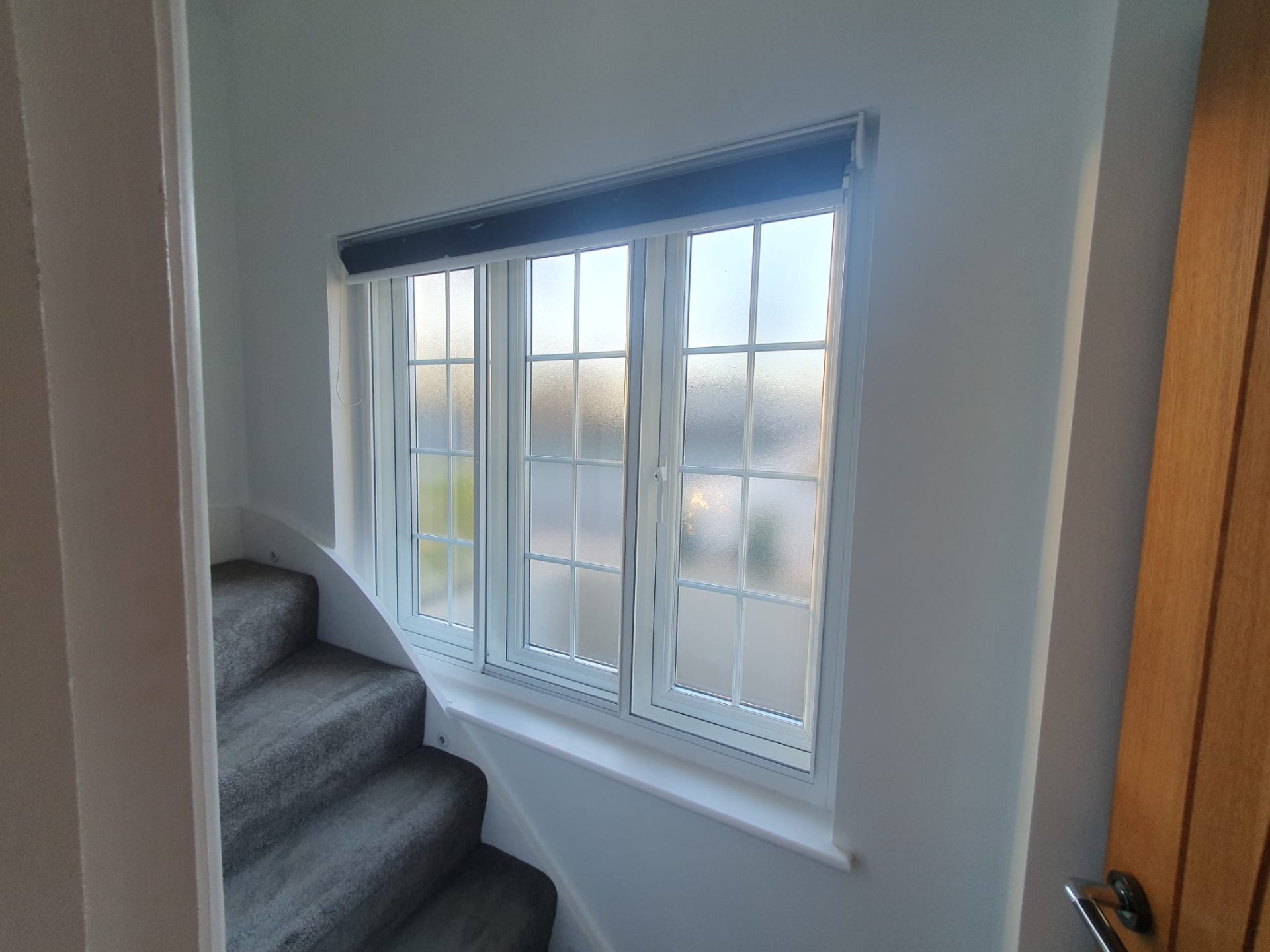
Contents
Overview of Historic Buildings
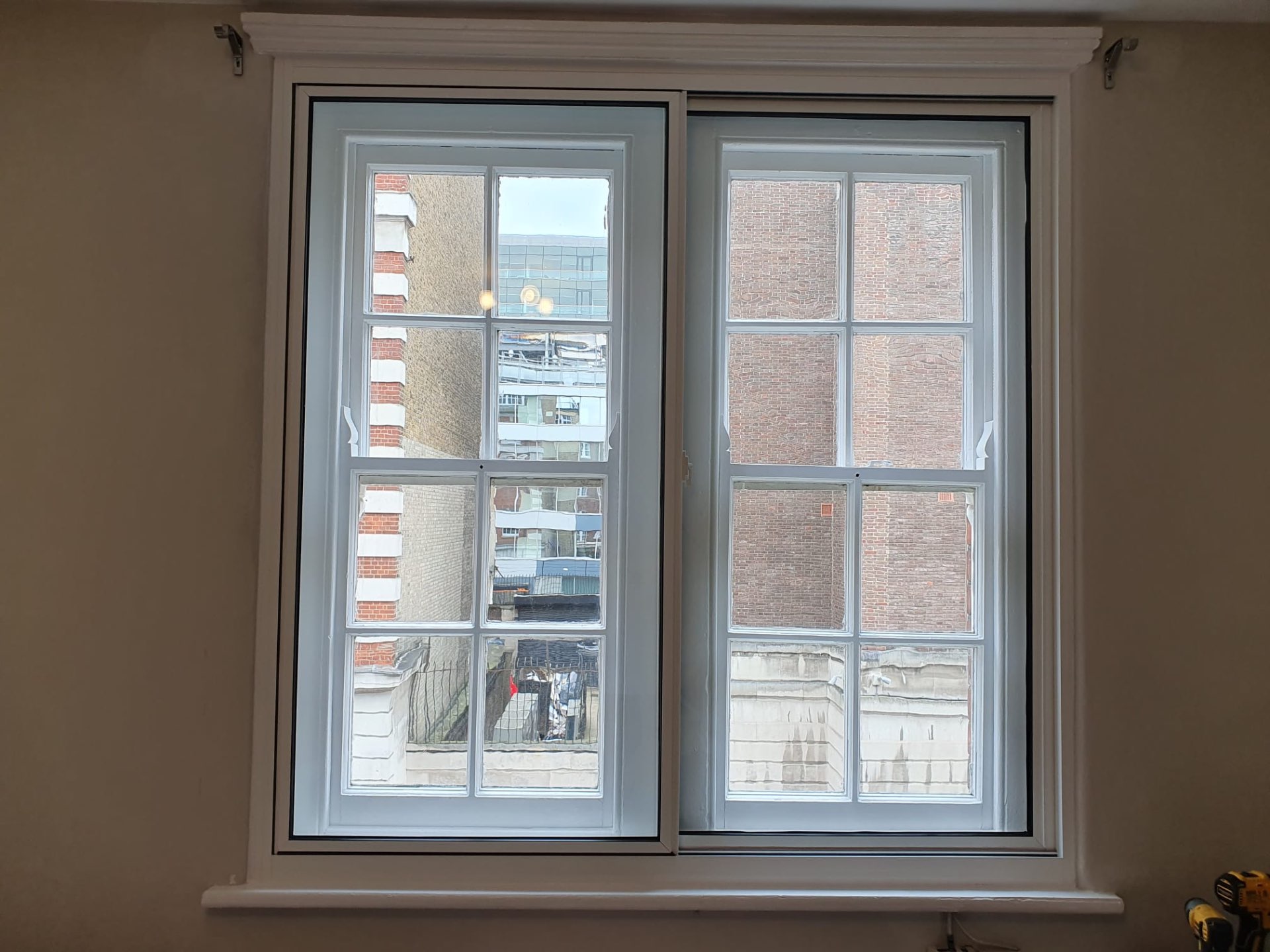
Historic buildings are often cherished for their architectural significance, telling a story of the past through their design and craftsmanship. These structures embody cultural heritage and historical narratives, making their preservation crucial for future generations.
However, many historic buildings were constructed without consideration for modern energy standards, leading to significant energy loss and comfort issues. The challenge lies in upgrading these buildings to meet contemporary energy efficiency standards without compromising their historical essence.
Importance of Energy Efficiency in Older Structures
Energy efficiency is essential in all buildings, but it takes on heightened importance in older structures due to their often inefficient original building methods and materials. Inadequate insulation and air leakage can lead to excessive heating and cooling costs, which can be detrimental to both the environment and the economic feasibility of maintaining these buildings.
Secondary glazing can significantly reduce heat loss through windows, which are often the largest source of thermal inefficiency in historic buildings. By creating an additional insulating air gap between existing windows and the new glazing, heat transfer is dramatically reduced.
Furthermore, retrofitting historic buildings with modern energy-efficient systems like secondary glazing can enhance their long-term viability and sustainability while preserving their architectural integrity.
Preservation of Historical Integrity
Challenges of Retrofitting
Retrofitting historic buildings presents unique challenges. It is essential to balance modern energy demands with the preservation of historical authenticity. Many owners fear that alterations may detract from the architectural significance and historical context of their properties.
Maintaining Aesthetic Value
One of the most significant advantages of secondary glazing is its ability to maintain the aesthetic value of historic buildings. Unlike full window replacements, which can dramatically alter the appearance of a building, secondary glazing is discreet and often invisible from the exterior.
Case Examples
Numerous successful case studies illustrate the effectiveness of secondary glazing in preserving historic buildings. One notable example is the restoration of the Royal Exchange in London, where secondary glazing was used to enhance energy efficiency while preserving its grand aesthetic qualities.
This preservation of sightlines ensures that the building's historical features, such as decorative frames and original glass, remain intact while still benefiting from improved energy performance.
Similarly, many residential homes in heritage areas have adopted secondary glazing to maintain their charm and comply with local preservation guidelines, thereby demonstrating that modern solutions can complement historical integrity.
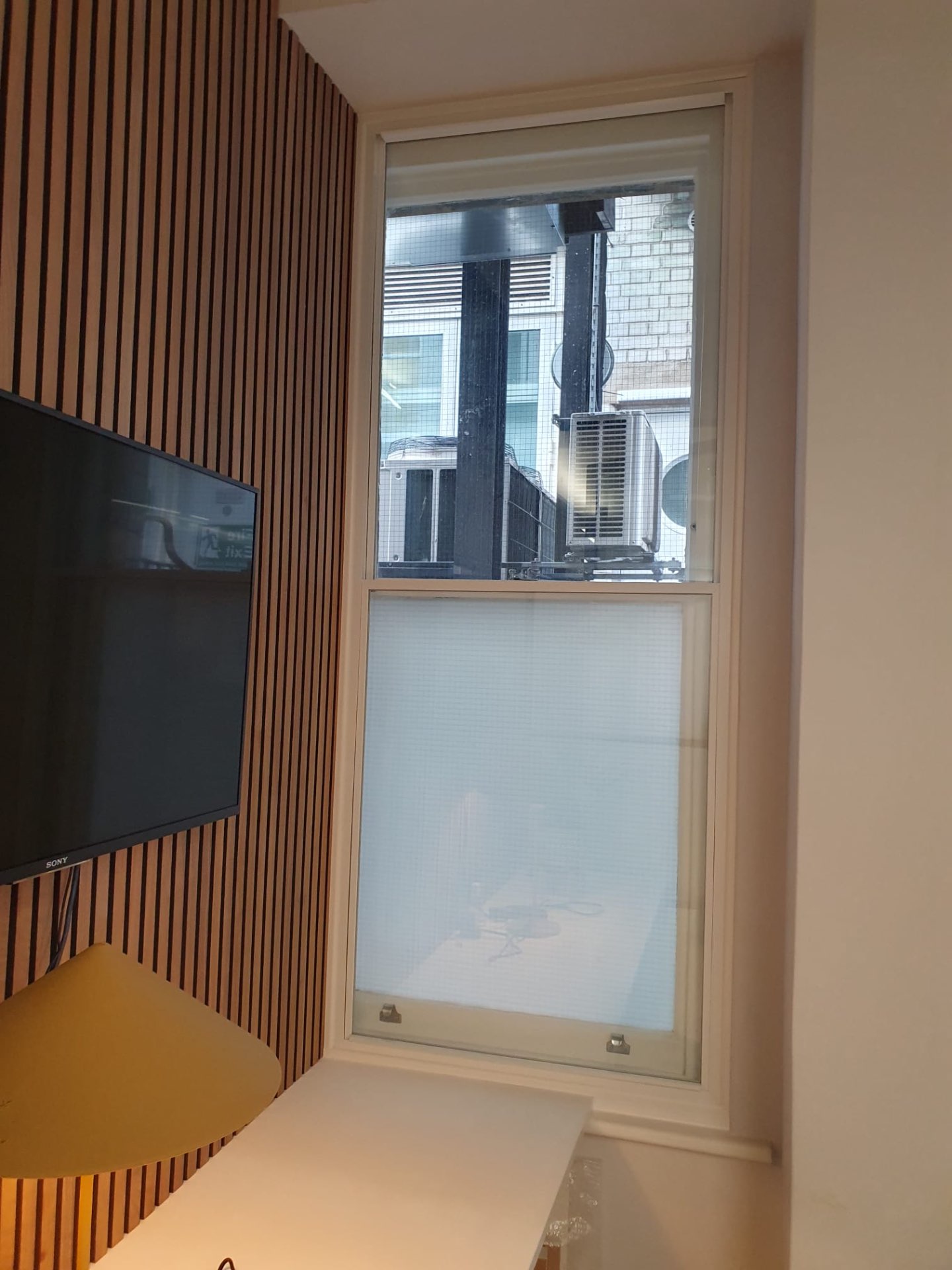
Enhanced Indoor Comfort
Improved Acoustic Insulation
In addition to thermal benefits, secondary glazing also provides substantial acoustic insulation. The additional pane of glass creates a barrier that significantly reduces noise intrusion from the outside, making living spaces more comfortable.
This is particularly valuable in urban areas or near busy roads, where noise pollution can detract from the quality of life. Residents of buildings with secondary glazing often report a notable improvement in their comfort levels due to reduced noise exposure.
Reduction of Drafts and Temperature Fluctuations
Secondary glazing effectively reduces drafts that commonly plague older buildings. By sealing off gaps around windows, it prevents cold air from entering and warm air from escaping, resulting in a more stable indoor climate.
This stability minimizes temperature fluctuations, creating a more comfortable environment throughout the year. Homeowners and building occupants benefit from consistent temperatures, which can be particularly advantageous in spaces that require specific climate control for preservation purposes.
Feedback from Residents and Users
"After installing secondary glazing in our Victorian home, we noticed an immediate difference in warmth and comfort. The house maintains a steady temperature now, and the street noise has been significantly reduced."
— Heritage homeowner, Bath
"As a museum curator, I was concerned about protecting our exhibits while maintaining visitor comfort. Secondary glazing has helped us achieve both, regulating temperature and blocking UV rays without altering the building's historic facade."
— Museum curator, Edinburgh
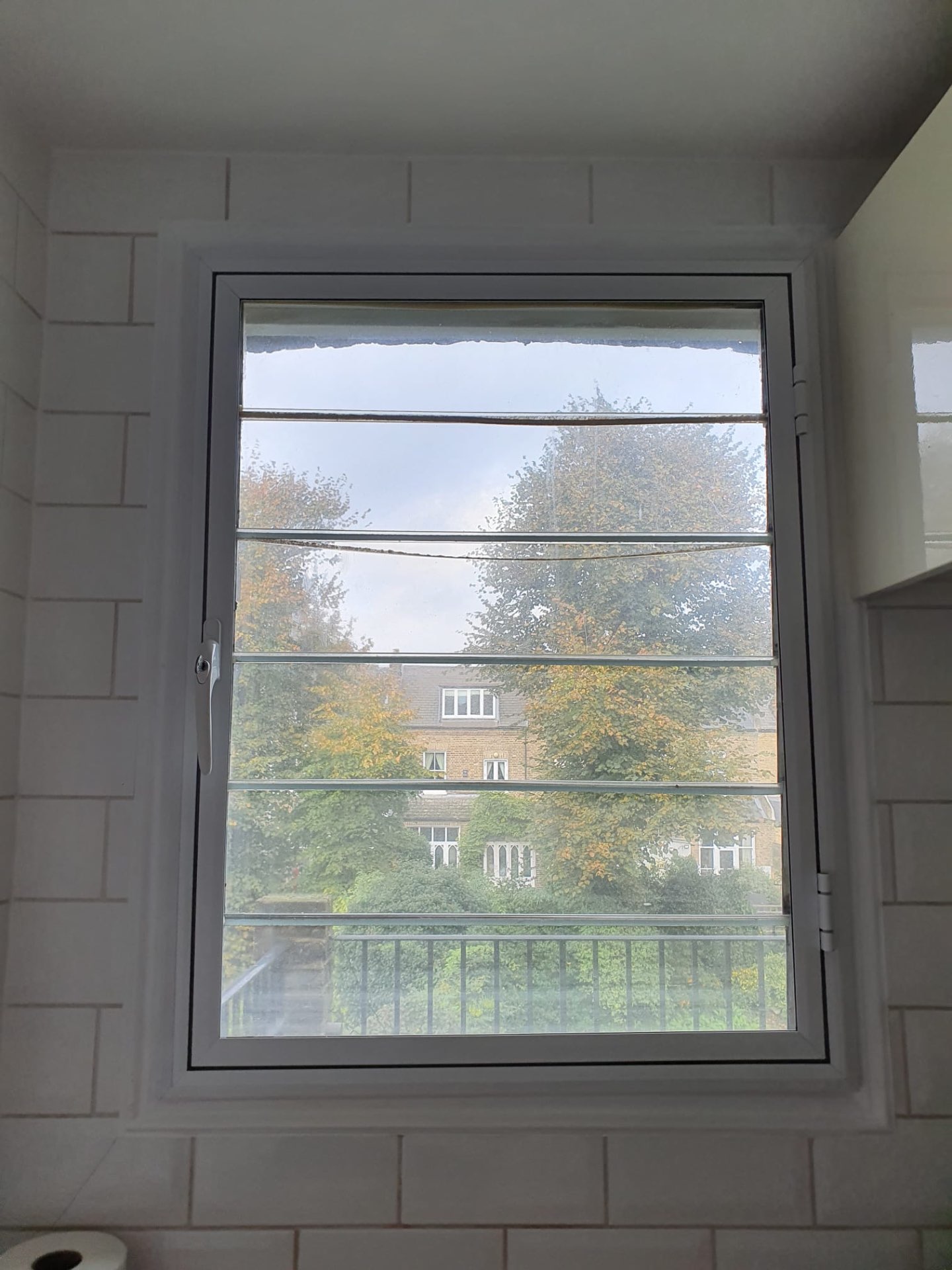
Energy Efficiency Benefits
Introduction to Secondary Glazing as a Modern Solution
Secondary glazing is a relatively simple yet effective solution that involves installing a second pane of glass or acrylic to existing windows. This system creates an insulating air gap, significantly improving the thermal performance of the window while preserving the building's original appearance.
Unlike replacing windows, secondary glazing allows for the retention of historic glass features, ensuring that the character of the building is maintained.
Improvement in Insulation and Energy Savings
The installation of secondary glazing can dramatically increase a building's insulation properties. Studies have shown that secondary glazing can reduce heat loss through windows by up to 50%.
This enhancement in insulation translates to a reduced need for heating during winter months and cooling in summer, resulting in substantial energy savings. For historic buildings, where original windows often contribute to energy inefficiency, secondary glazing provides a solution that respects the building's character while improving its performance.
Reduction in Heating and Cooling Costs
By improving window insulation through secondary glazing, historic building owners can experience significant reductions in their heating and cooling costs. With less energy required to maintain comfortable temperatures, the financial burden associated with energy bills diminishes.
This cost-effectiveness not only benefits the owners in the short term but also contributes to the long-term sustainability of the building by making maintenance more manageable.
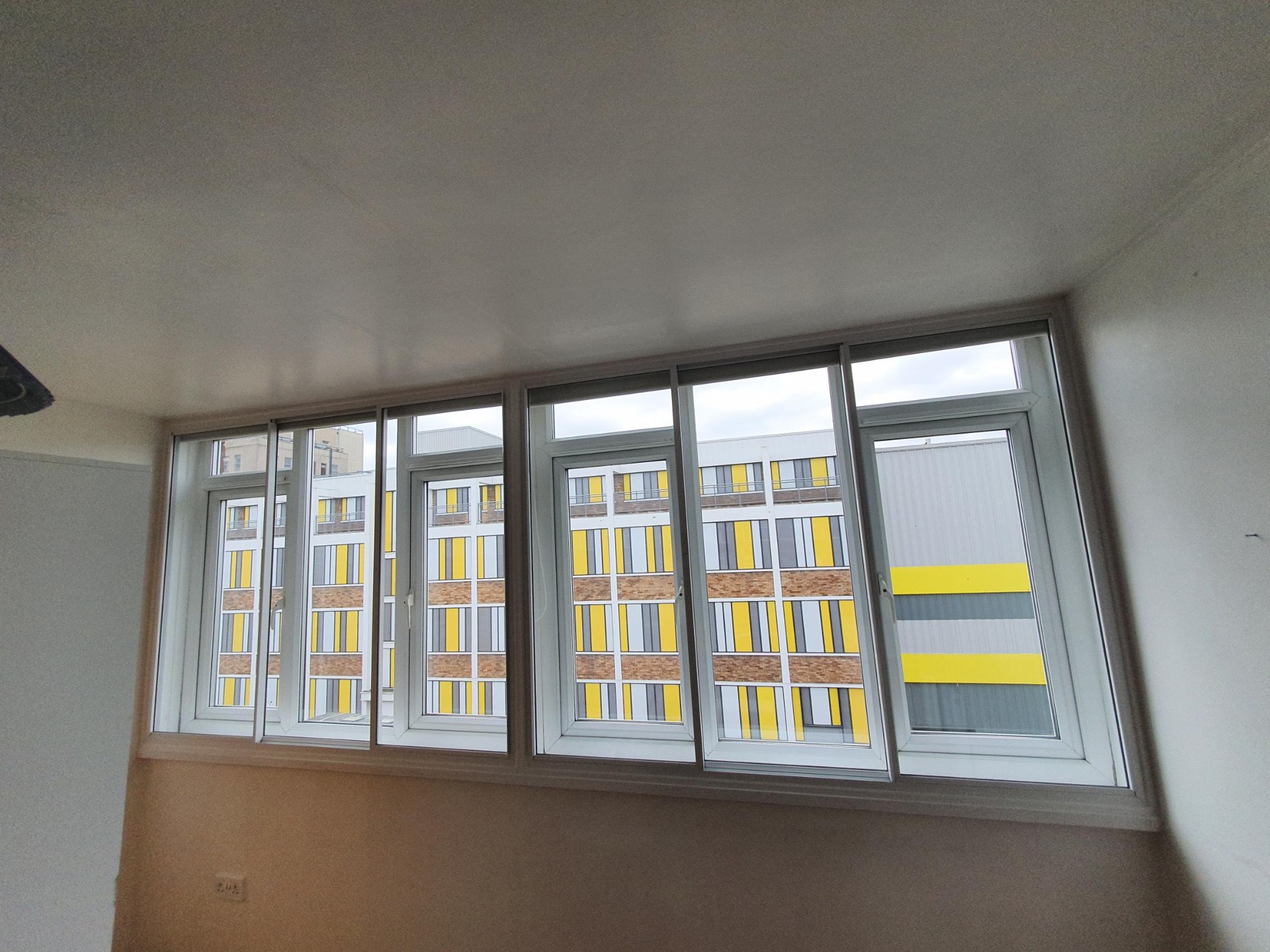
Modern secondary glazing installation showing the air gap that provides thermal insulation
Conclusion
Summary of Key Benefits
Secondary glazing emerges as a pivotal solution for enhancing energy efficiency in historic buildings while preserving their architectural integrity. The dual advantages of improved insulation and reduced noise contribute to a more comfortable indoor environment, while the retention of original windows maintains aesthetic value.
As historic buildings face the challenges of modern energy demands, secondary glazing offers a balanced approach that respects the past while looking towards a sustainable future.
The Future of Historic Building Improvements
As awareness of energy efficiency continues to grow, it is likely that more historic buildings will adopt secondary glazing solutions. The emphasis on sustainability and climate-conscious practices will drive further innovations in preservation techniques, ensuring that these valuable structures can be enjoyed by future generations while meeting modern standards.
By bridging the gap between historic preservation and contemporary efficiency, secondary glazing stands out as a forward-thinking solution.